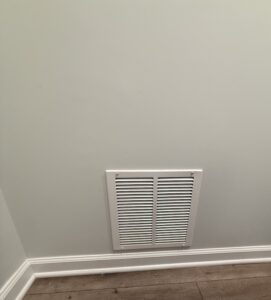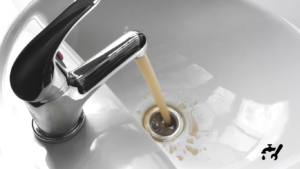
If you’ve noticed a musty smell when your HVAC system turns on or suspect mold near your vents, you’re not alone. Mold growth in HVAC systems is a common concern for homeowners, especially during warmer months when air-conditioning systems are running more frequently. Understanding what causes mold, whether it’s a serious issue, and how to address it can help protect both your home and your indoor air quality.
Why Mold Can Grow Inside HVAC Systems
Mold is a natural part of the environment, but it becomes a problem indoors when moisture is present. Mold spores are always present in the air and can begin growing when they land on damp or wet surfaces [1]. HVAC systems can create ideal conditions for this, as they often produce condensation during normal operation.
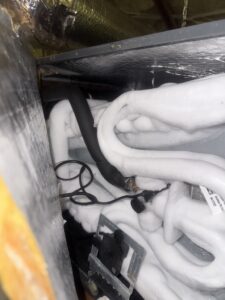
Dark, enclosed areas like ductwork, coils, and drain pans can trap moisture, and allow mold to grow if conditions are right. Mold cannot grow without moisture, which is why controlling humidity is essential to preventing growth [1].
Common Causes of Mold in HVAC Units
Several factors can contribute to mold growth inside an HVAC system, many of which are related to excess moisture or poor system maintenance.
- High indoor humidity levels
- Clogged or poorly draining condensate lines
- Standing water and drain pans
- Dirty air filters that restrict airflow
- Dust and debris buildup inside ducts or coils
- Leaks in ductwork or surrounding plumbing
- Poor ventilation in the home
Condensation, high humidity, and moisture buildup in HVAC components are some of the most common reasons mold develops in the systems [2]. If these issues are not addressed, mold can continue to spread within the system.
Should You Be Concerned About HVAC Mold?
Mold in an HVAC system should not be ignored. While not all mold exposure leads to serious health problems, it can affect indoor air quality and comfort. Exposure to mold can cause symptoms, such as coughing, wheezing, irritated eyes, and allergic reactions, especially for those with asthma or sensitivities [3].
Another concern is how HVAC systems distribute air. If mold is present in the system, running it can spread mold spores throughout the home [4]. This can make the problem more widespread and more difficult to manage over time.
How Mold in HVAC Systems Can Be Addressed
The most effective way to deal with mold in an HVAC system is to address both the mold itself and the moisture source causing it.
For minor issues, this may include:
- Replacing dirty air filters
- Cleaning accessible components
- Clearing clogged drain lines
- Improving airflow and ventilation
For more extensive mold growth, professional service is often necessary. Cleaning the entire HVAC system, including ducts, coils, and other components, helps prevent contamination from spreading or returning [5]. In some cases, affected materials may need to be removed or replaced to fully resolve the issue.
How to Help Prevent Mold From Returning
Prevention is key when it comes to HVAC mold. Taking a few proactive steps can significantly reduce the risk of future growth.
- Keep indoor humidity levels below recommended ranges
- Change HVAC filters regularly
- Schedule routine HVAC maintenance
- Ensure drain lines remain clear and functional
- Address leaks or water issues promptly
- Improve ventilation throughout the home
Keeping indoor humidity low and addressing moisture issues quickly are some of the most effective ways to prevent mold growth [1].
Protect Your Home’s Air Quality with professional HVAC Care
Mold in your HVAC system can impact both your comfort and your home’s air quality if left untreated. Identifying the source of moisture and resolving it early can help prevent more serious issues down the line.
If you suspect mold in your HVAC system or want to ensure your system is clean and functioning properly, C.D. Shanahan’s is here to help. Our experienced team can inspect your system, address moisture issues, and recommend the right solutions to keep your home’s air quality clean and comfortable. Reach out to C.D. Shanahan’s today to schedule your HVAC service and take the next step toward healthier indoor air.
Sources: