If your breaker keeps flipping off, it’s not just being “annoying”, it’s doing its job. A circuit breaker is designed to shut off power when it senses a condition that could overheat wiring, damage equipment, or create a fire or shock risk. The key is figuring out what is triggering the trip, because repeatedly resetting a breaker without addressing the cause can allow a serious issue to continue.
Below are the most common reasons a breaker trips, and what to do next.
Reason #1: Circuit overload
The most common cause is simply drawing more electricity than a circuit is designed to handle. This often happens when multiple high-wattage devices run on the same circuit (think space heater, hair dryer, and microwave). Overloads can show up as frequent trips, especially when you use certain appliances together [1]. A quick test: unplug or turn off items on that circuit, reset the breaker, then plug things back in one at a time to see when it trips again.
Reason #2: Overheating appliance
Sometimes the circuit is fine, and the problem is the appliance. If the breaker trips mainly when you run one specific device, the appliance may be overheating or drawing too much power due to maintenance issues or internal fault [2]. If you notice the trip is “appliance-specific,” stop using that device and have it inspected.
Reason #3: Short circuit
A short circuit is more serious than an overload. It happens when a hot wire contacts a neutral wire (or another unintended path), creating a surge of current. Breakers are designed to trip immediately to prevent overheating and potential fire hazards. Clues can include sudden trips right after resetting, a burning smell, or visible outlet damage [3]. If you suspect a short, don’t keep resetting because it likely needs a professional diagnosis.
Reason #4: Ground fault
A ground fault happens when electricity takes an unintended path to ground, often in areas with moisture like kitchens, bathrooms, garages, basements, or outdoors [1]. This is why many of these locations use GFCI protection. If your issue happens after rain, cleaning, a leak, or in a damp area, a ground fault is a strong possibility and should be addressed promptly for safety.
Reason #5: Arc fault
An arc fault is essentially electrical “sparking” caused by loose connections, damaged cords, or deteriorating wiring [4]. Arc faults can generate heat and increase fire risk, which is why AFCI protection exists in many homes. If trips happen unpredictably, even under light load, or you notice cracking/sizzling sounds near outlets or switches, an arc fault may be involved.
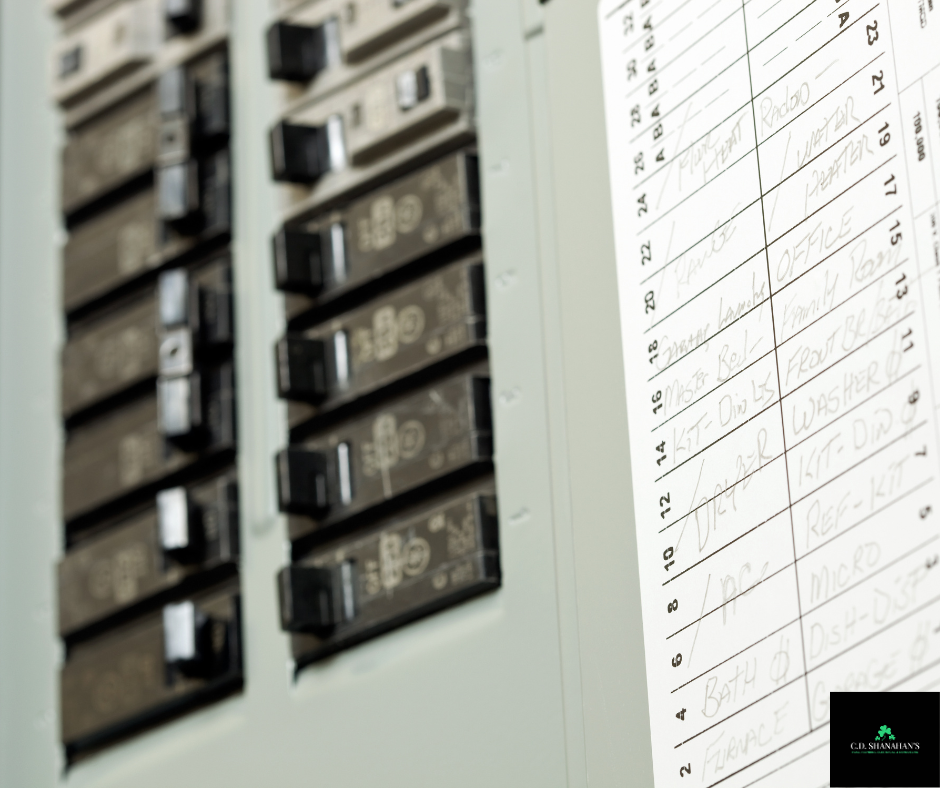
Reason #6: Faulty circuit breaker
Breakers can wear out, especially after frequent tripping. Warning signs include a breaker that won’t stay reset, a hot breaker, scorch marks, burning smells, or buzzing/crackling from the panel [2]. If you’re seeing any of these, it’s time for an electrician to inspect the panel and replace components as needed.
When to call a professional
If your breaker trips repeatedly, trips immediately after resetting, or you notice heat, odor, buzzing, or outlet damage, it’s safest to stop troubleshooting and get a licensed electrician involved. Contact C.D. Shanahan’s today to inspect the circuit, identify whether you’re dealing with an overload, wiring fault, moisture-related issue, or a failing breaker, and recommend the safest fix for you.
Sources:
- https://www.ahs.com/home-matters/repair-maintenance/three-reasons-your-circuit-breaker-keeps-tripping/
- https://www.mrappliance.com/blog/2021/october/why-does-my-appliance-keep-tripping-the-breaker-/
- https://mrelectric.com/blog/your-circuit-breaker-keeps-tripping-now-what
- https://www.purefoyelectric.com/why-do-circuit-breakers-trip-common-causes-and-fixes